24/7 Emergency Line Open Now Serving all 17 cities & towns in New Castle County, Delaware (302) 400-8531

Service Areas

Water Damage Restoration in Port Penn, Delaware

  • Answered 24/7/365
  • Rapid local dispatch
  • IICRC S500 standards
  • Homes & businesses

Port Penn is a historic fishing village of approximately 592 residents situated along the Delaware River near the Augustine Wildlife Area in southeastern New Castle County. The community's waterfront location and coastal marsh proximity create water damage exposures that are unique in New Castle County tidal flooding from Delaware River surge events, marsh-influenced water table fluctuations, and the challenges of maintaining historic structures dating from the 18th and 19th centuries in a coastal environment where moisture is a constant presence.

Port Penn's limited municipal infrastructure means no public sewer system, minimal storm drainage, and reliance on individual property systems (wells and septic) for water supply and waste management. When flooding occurs, there is no municipal infrastructure to absorb or redirect water each property must manage water intrusion independently, making professional restoration essential.

The community's historic character adds complexity. Port Penn's older structures feature building materials and construction methods that require specialized restoration: hand-laid brick and stone foundations, lime mortar, wide-plank hardwood floors, plaster walls, and structural timbers that have survived centuries but are vulnerable to moisture damage if not properly dried after water events.

Delaware Water Damage Pros provides 24/7 emergency water damage restoration throughout Port Penn.

Water damage in Port Penn? Call now for emergency dispatch.

(302) 400-8531

Common Water Damage Causes in Port Penn

Delaware River Tidal Flooding

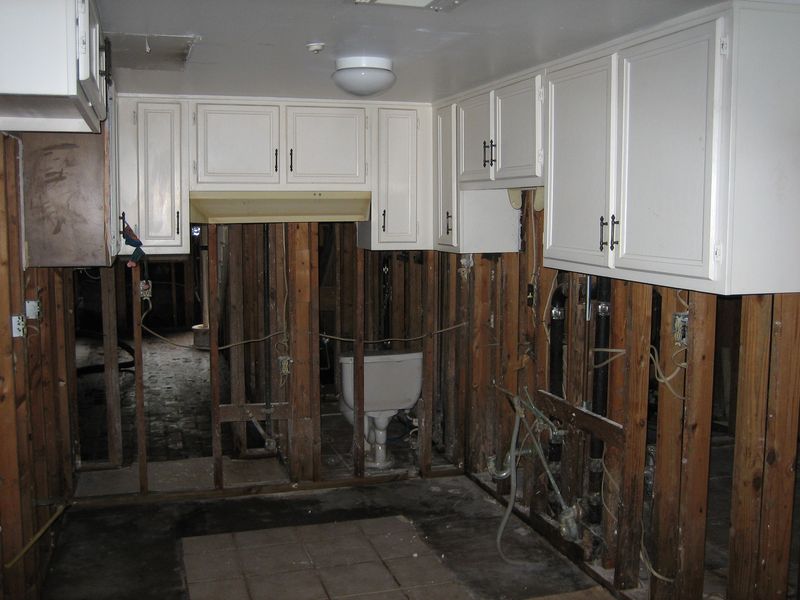
Coastal storms drive tidal surge up the Delaware River, pushing water into Port Penn's low-elevation properties. Tidal flood water is classified Category 3 it contains marine organisms, sediment, sewage from overwhelmed regional systems, and chemical contaminants from river traffic and shoreline industry. Tidal flooding also introduces saltwater, which accelerates corrosion of metal building components, electrical systems, and plumbing. Flood Damage Cleanup in Port Penn →
Coastal Marsh Water Table

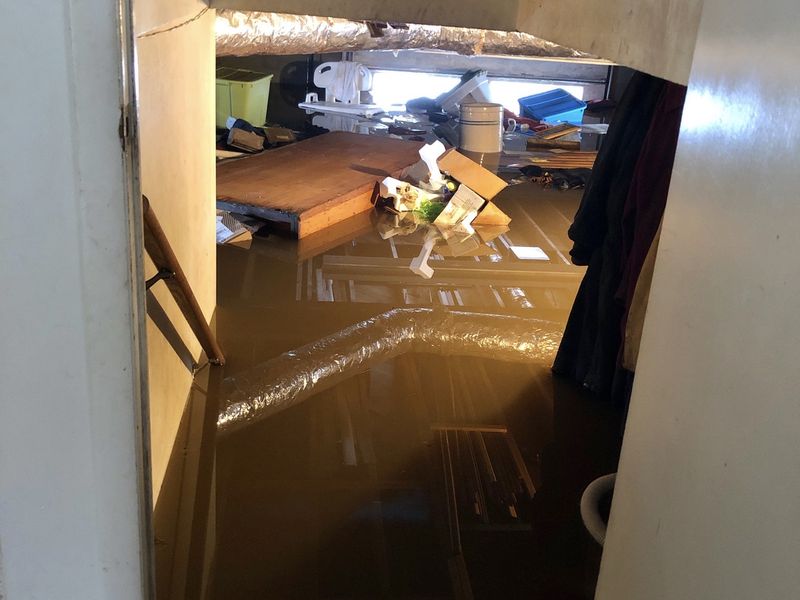
Port Penn's proximity to the Augustine Wildlife Area and surrounding tidal marshes means the water table is influenced by tidal cycles. During spring tides, king tides, and storm surge events, the water table rises, increasing hydrostatic pressure on foundations and pushing moisture into basements and crawl spaces even without surface flooding. Basement Flooding in Port Penn →

Septic System Vulnerability

Without municipal sewer, Port Penn properties depend on septic systems that are vulnerable to flooding. Saturated drain fields cause backup through indoor fixtures a Category 3 event. Rising water tables during tidal events can also flood septic tanks, pushing contaminated water to the surface and potentially into the home. Sewage Cleanup in Port Penn →

Historic Structure Vulnerability

Port Penn's oldest structures have stone and brick foundations laid with lime mortar that is inherently porous. These foundations admit moisture through capillary action even in the absence of standing water, and during flooding events they absorb water rapidly. Wood structural components in contact with damp masonry are susceptible to rot, insect damage, and mold colonization.

Limited Drainage Infrastructure

Without municipal storm drains, Port Penn relies on natural drainage, roadside ditches, and topography to manage storm water. During heavy rainfall coinciding with high tide, there is no effective outlet for storm water it accumulates around and within properties.

FAQ

Frequently Asked Questions Water Damage in Port Penn

Is Port Penn at high risk for flooding?

Yes. Port Penn's waterfront location, low elevation, and coastal marsh proximity place it among the highest flood-risk communities in New Castle County. Tidal surge during coastal storms can push Delaware River water into the community. Flood insurance is strongly recommended for all Port Penn properties.

Does tidal flooding cause different damage than freshwater flooding?

Yes. Tidal flood water contains saltwater, which accelerates corrosion of metal building systems including electrical wiring, plumbing, HVAC components, and structural fasteners. Salt residue left on building materials after the water recedes continues to attract moisture from the air, creating ongoing corrosion and dampness unless thoroughly cleaned during restoration.

Can you restore water damage in Port Penn's historic homes?

Yes. We use Class 4 specialty drying techniques for historic materials including hand-laid brick, lime mortar, wide-plank hardwood, and plaster. Our restoration approach preserves the historic character of Port Penn's structures while achieving the moisture removal necessary to prevent secondary damage.

My septic system backed up during a storm. What should I do?

Do not contact the sewage. Keep family and pets away from affected areas. Call us immediately septic backup is a Category 3 biohazard requiring professional remediation with full PPE, containment, and decontamination. After cleanup, have your septic system inspected by a licensed septage hauler to assess whether the system was damaged during the flooding event.

24/7 Emergency Line

Get Emergency Water Damage Restoration in New Castle County Call Now

Water damage does not wait, and every hour of delay increases the cost and complexity of restoration. Whether you are standing in a flooded basement right now, watching water spread from a burst pipe, or you have discovered signs of hidden water damage, the next step is the same: call Delaware Water Damage Pros for immediate emergency response.

We are available 24 hours a day, 7 days a week, every day of the year. No answering services. No appointment scheduling. Direct dispatch to your property.

Call Now for Emergency Water Damage Restoration (302) 400-8531 Available 24/7 · 365 days a year

Request Emergency Service

Or fill out our emergency contact form and a team member will call you back within minutes.

(302) 400-8531